
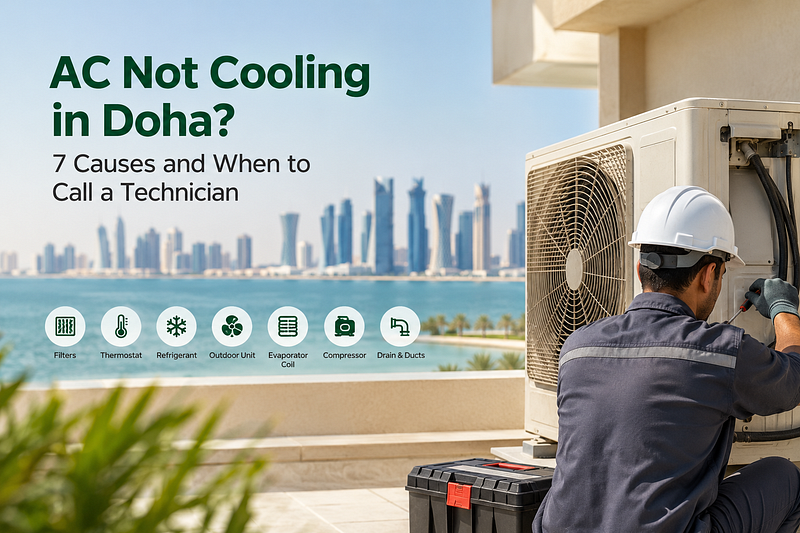
It is a July afternoon in Doha, the temperature outside is 45°C, and the air from your vents feels barely cooler than the room. Few things are more frustrating, and in Qatar’s climate it is also a comfort and health concern for children, elderly family members and office staff.
When your AC is not cooling in Doha, the fault is frequently minor and inexpensive to fix. Some fixes take five minutes; others need a trained technician with the right gauges and tools. This guide covers the seven most common causes, what you can safely check yourself, and when to stop and call a professional.
Prefer to skip the troubleshooting? Our team delivers complete HVAC services in Qatar for homes, offices and commercial buildings, including emergency call-outs.
Why AC Units Struggle in Qatar
Air conditioners here run for up to eight months a year, often around the clock. Outdoor temperatures regularly pass 45°C, coastal humidity forces the system to remove moisture as well as heat, and fine desert dust coats filters and coils within weeks. A small fault that would go unnoticed in a milder country quickly becomes a warm living room in Doha. Knowing the usual suspects helps you act early.
Seven Reasons Your AC Is Not Cooling
 01
Dirty or Clogged Air Filters
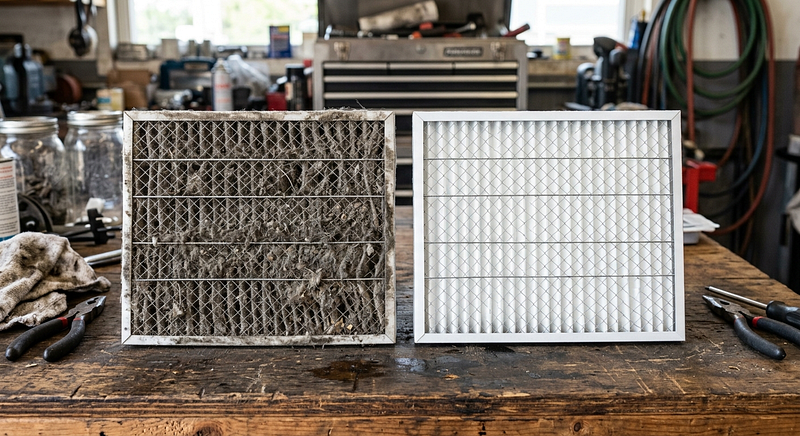
Filters trap dust before it reaches the indoor coil. In Doha, with construction nearby and frequent dust events, they clog fast. Restricted airflow means less cool air reaches the room, the fan works harder, and the coil can freeze. Typical signs are weak airflow from the vents, a musty smell and visible dust around the grille.
What to do: Switch the unit off, slide out the filter and hold it up to the light. If you cannot see through it, wash reusable types with mild soapy water, dry them fully and refit. Replace disposable filters. During summer, check every two to four weeks.
 02
Thermostat Problems
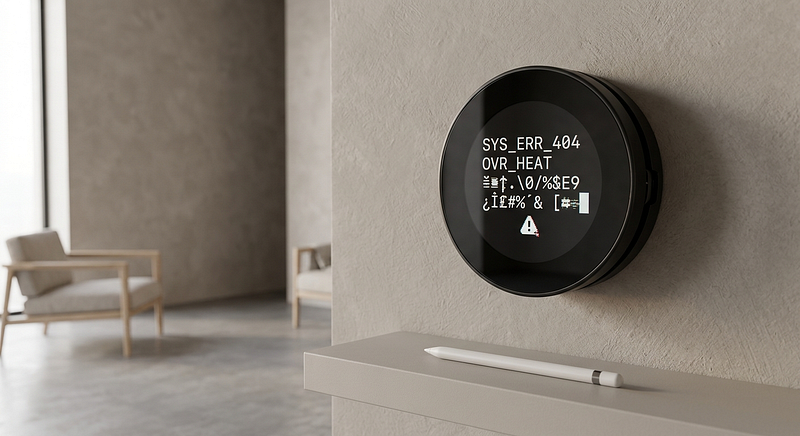
Sometimes the AC is fine and the instructions it receives are wrong. A setting left on “Fan” or “Dry”, flat remote batteries, or a sensor reading the wrong temperature can all produce lukewarm air. A thermostat near a window, kitchen or direct sunlight also misreads the room and ends cooling too early.
What to do: Set the mode to Cool, lower the target by three to four degrees and replace the batteries. If the display is blank, the unit ignores commands or temperatures swing, the sensor or control board may need testing.
 03
Low Refrigerant (Gas Leak)
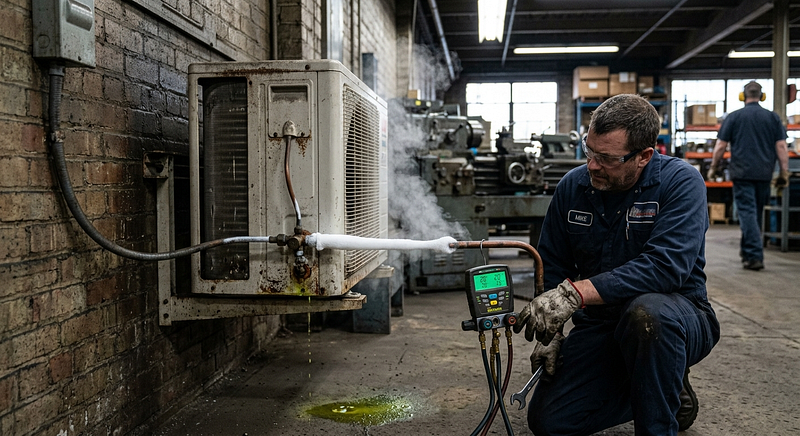
Think of refrigerant as the courier that picks up heat in your rooms and drops it off outside. It is not consumed, so a low level always means a leak. Warning signs include cooling that fades over weeks, hissing or bubbling sounds, ice on the copper pipes, oily residue at joints, and electricity bills that climb without explanation.
What to do: Leave this to professionals. Topping up gas without sealing the leak wastes money, and the problem returns. A technician will locate the leak, repair it, test the pressure and recharge to the manufacturer’s specification.
 04
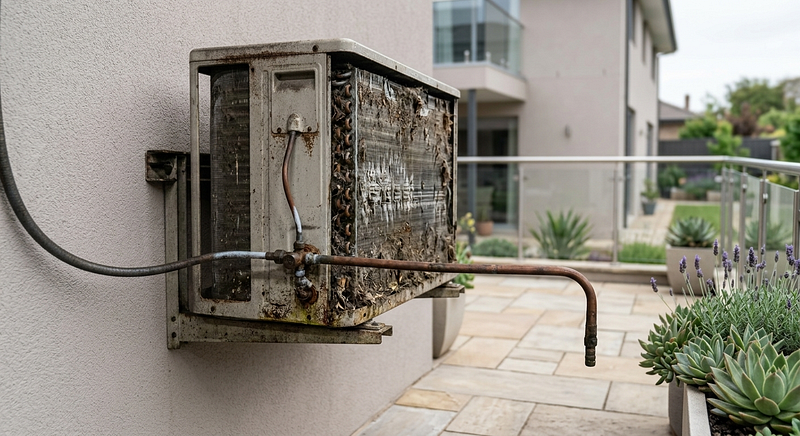
Clogged Condenser Coils or an Obstructed Outdoor Unit
Every bit of heat your AC pulls out of the rooms is dumped outdoors through the condenser. Sand, dust, leaves or a film of grime on the coils stop that heat escaping, so pressure rises, the compressor overheats and cooling drops. In extreme heat the unit may trip off to protect itself, then restart in repeated cycles.
What to do: Keep at least half a metre clear around the outdoor unit, remove debris, and provide shade where possible without blocking airflow. Leave coil cleaning to a technician, because aggressive pressure washing bends the delicate fins and cuts efficiency further.
 05
Frozen Evaporator Coil
Frost forming on the indoor unit or the thin copper pipe is a sign the evaporator coil has iced over. Ice blocks airflow, so you get warm air, a weak breeze, or dripping water when it melts. Common triggers are dirty filters, low refrigerant, a failing indoor fan, or running the AC at very low temperatures for long periods.
What to do: Turn cooling off and run the fan only so the ice melts, which can take a few hours. Never chip it away. Clean the filter afterwards. If ice forms again, something deeper is wrong and needs diagnosis.
 06
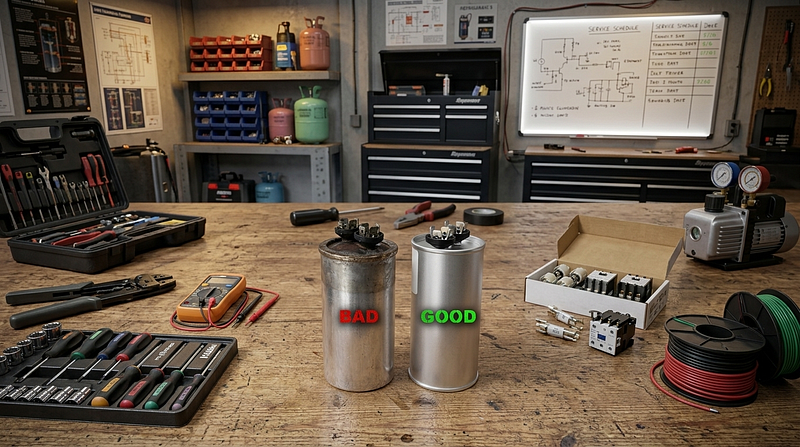
Failing Compressor or Capacitor
The compressor pressurises the refrigerant and drives the whole cooling cycle, and a capacitor gives it the jolt to start. If either fails, the fans may keep spinning while the air stays warm. Look for loud humming or clicking from the outdoor unit, a unit that struggles to start, or breakers that trip repeatedly.
What to do: Isolate the unit at the breaker, stop using it and book a technician. Replacing a weak capacitor is a modest repair when caught early. Running the system with a failing one can destroy the compressor, the most expensive part to replace.
 07
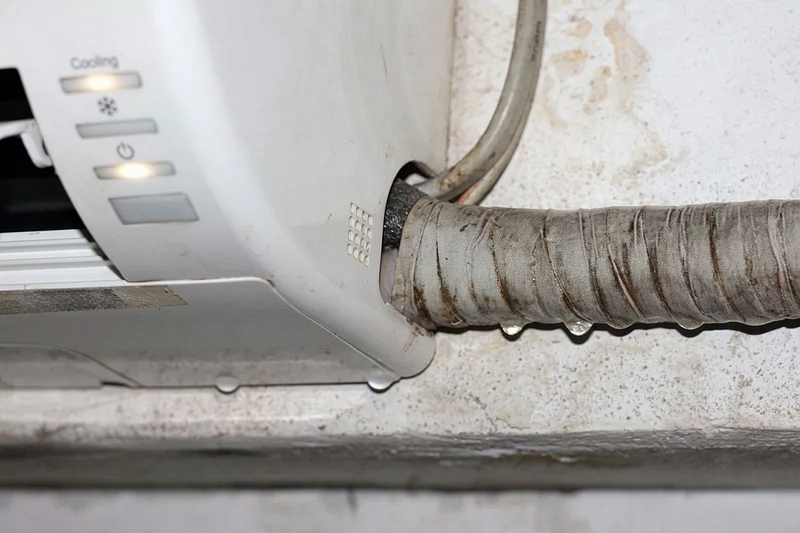
Blocked Drain or Leaking Ductwork
Two hidden faults often explain a system that runs all day yet never reaches the set temperature:
- Blocked condensate drain: Water backs up, a safety switch trips and cooling stops. Look for drips or damp marks around the indoor unit.
- Leaking or uninsulated ducts: In ducted systems, cooled air escapes into ceiling voids before reaching your rooms. Some rooms feel fine while others stay warm, and bills rise.
What to do: Both need inspection. A technician can clear drains, seal duct joints and check insulation.
Quick Checklist Before You Call
Spend ten minutes on these:
- Thermostat on Cool, set well below room temperature
- Filters clean
- Outdoor unit running and unobstructed
- Doors and windows closed
- No ice on the indoor unit or pipes
- Breaker not tripped
If the problem persists, the cause is likely mechanical or electrical.
When to Call a Technician
Put the tools down and get a technician in if any of these appear:
- Ice that returns after defrosting
- Hissing sounds or oily residue on pipes (a possible gas leak)
- A burning smell or a breaker that keeps tripping
- Grinding, clicking or rattling from either unit
- Water leaking inside the home
- No improvement after cleaning the filters
These are safety and equipment risks. Running a faulty AC can turn a minor repair into a full replacement, and electrical faults should never be opened up by non-professionals.
How to Prevent It Next Summer
- Service before summer: Book a full service in March or April, before demand peaks.
- Maintain filters: Clean or replace them regularly, especially near construction sites or open land.
- Schedule deep cleaning: Have coils, drains and blower assemblies cleaned once or twice a year.
- After a storm: Once a sandstorm passes, wipe the grit off the outdoor unit’s casing and sweep the area around it.
- Plan routine inspections: Include your AC in wider home and building maintenance in Qatar, so small faults are caught before they leave you without cooling.
About Servifix Trading & Services
Servifix is a Doha-based contracting and maintenance company focused on MEP and HVAC, serving residential, commercial and industrial clients. With 10+ years of experience, 35+ skilled workers, 250+ completed projects and 1,200+ happy customers, we handle everything from routine servicing to full installations. Our teams cover proactive, corrective and emergency maintenance, with 24/7 availability when your cooling fails.
- Address: Doha, Qatar
- Phone: +974 3144 7878
- Email: info@servifix.qa
- Website: servifix.qa
- Social: Facebook and Instagram
Reach the Servifix team now and we will send a technician to your property.
Frequently Asked Questions
My AC is on but the room stays hot in Doha. What is wrong?
The usual culprits are a choked filter, a refrigerant leak, a grimy condenser or a wrongly set thermostat. Check the filter and settings first; if cooling does not return, call a technician.
How much does AC repair cost in Doha?
It depends on the fault. Filter cleaning and minor adjustments cost far less than a gas leak repair or compressor replacement, which is why regular servicing saves money. A technician can quote accurately after inspection.
What is the right servicing schedule for an AC in Qatar?
Plan on two professional services a year, with one booked just ahead of the hot season. Dusty locations or heavy daily use may justify more.
Can I refill AC gas myself?
No. Refrigerant needs specialist tools and training, and low gas always means a leak that must be repaired.
When does an ageing AC need replacing rather than repairing?
If the unit is over 10 to 12 years old, breaks down often or has a failed compressor, replacement can be more economical. A technician can advise after inspecting it.
Do you offer emergency AC repair?
Yes. Servifix offers 24/7 emergency availability across Doha and Qatar. Call +974 3144 7878.